
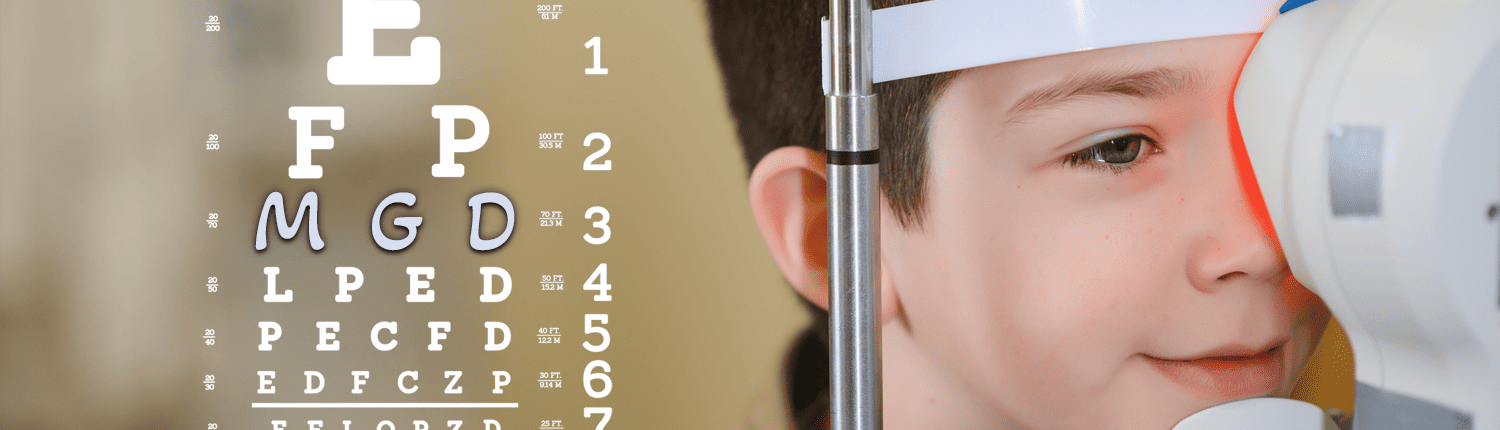
MGD Is Showing Up in Kids: Why Early Detection Matters
Meibomian gland dysfunction (MGD) is often considered age-related, yet emerging evidence shows meaningful signs in younger patients. One pediatric study found 42% had some degree of meibomian gland atrophy—raising concern for earlier-onset ocular surface disease if screening is delayed. Likely contributors include reduced blink rates during sustained screen use, omega-3/omega-6 dietary imbalance, and rising rates of higher BMI and diabetes in youth.
Clinical Takeaway
Build basic meibomian assessment—history, lid expression, and, when available, meibography—into routine exams starting in childhood. Counsel on simple behaviors (the 20-20-20 rule, intentional blinking) and nutrition to support gland health, then tailor formal management as needed. Early, routine evaluation plus small behavior and diet shifts can preserve gland structure and protect the ocular surface over time.